Too Much Sun? Here’s How Vitamin C Can Help Fight Oxidative Stress
We all love soaking up the sun—whether it's for that golden tan, a dose of vitamin D, or just the mood-lifting warmth. But with every minute spent under UV rays, your skin is exposed to something less glamorous: oxidative stress.
What Is Oxidative Stress?
Oxidative stress occurs when there's an imbalance between free radicals (unstable molecules that can damage cells) and antioxidants in your body. Sun exposure, especially UV radiation, increases the production of these free radicals in your skin.

When your skin is overwhelmed by free radicals, it can lead to:
- Premature aging (wrinkles, fine lines)
- Hyperpigmentation
- Collagen breakdown
- Inflammation and sunburn
- Increased risk of skin cancers
How Does Sunbathing Cause It?
Ultraviolet (UV) rays penetrate the skin and trigger a chain reaction of molecular damage. UVA rays, in particular, go deep into the dermis and generate oxidative stress that breaks down collagen and elastin—the proteins that keep your skin youthful and firm.
UVA + UVB = More free radicals → More oxidative stress → More skin damage
Enter Vitamin C: Your Skin’s Natural Bodyguard
Vitamin C (ascorbic acid) is a powerful antioxidant that can neutralize free radicals before they damage skin cells. It’s your internal and external shield against UV-related damage.
Here’s how it helps:
- Neutralizes Free Radicals
Vitamin C donates electrons to stabilize free radicals, preventing them from harming skin structures like DNA, lipids, and proteins.
- Boosts Collagen Production
Sun damage breaks down collagen, but vitamin C helps your body synthesize new collagen, keeping your skin firm and smooth.
- Reduces Hyperpigmentation
It inhibits melanin production, which helps fade sunspots and even out skin tone.
- Supports Skin Repair
Vitamin C plays a role in cell regeneration, speeding up healing after sunburn or inflammation.
How to Get Enough Vitamin C
Internally:
- Eat vitamin C-rich foods: oranges, strawberries, bell peppers, kiwi, broccoli
- Consider a daily vitamin C supplement (500–1000 mg is common but consult a healthcare provider).
Liposomal Vitamin C vs. Water-Soluble: Which One’s Better for Skin Protection?
When it comes to supplementing with vitamin C, not all forms are absorbed equally by the body. Two common types are water-soluble vitamin C (usually ascorbic acid) and liposomal vitamin C. Here's how they stack up:
|
Feature |
Water-Soluble Vitamin C |
Liposomal Vitamin C |
|
Absorption |
Limited absorption: excess is excreted in urine |
Higher bioavailability due to fat-encapsulated delivery |
|
Delivery Method |
Pills, powder, or chewable |
Usually liquid or gel encapsulated in liposomes |
|
How It Works |
Dissolves in water and enters bloodstream via digestive tract |
Encapsulated in lipid (fat) layers that protect it from stomach acid and deliver it directly to cells |
|
Best For |
General immune support, mild supplementation |
Enhanced absorption, therapeutic doses, skin support, and oxidative stress defense |
|
Cost |
Affordable and widely available |
More expensive, but potentially more effective |
So, Which One Should You Choose?
- If you're looking for basic support and eating a healthy diet, water-soluble vitamin C may be enough.
- If you're aiming to combat oxidative stress from sun exposure, improve collagen synthesis, or support faster skin recovery, liposomal vitamin C may offer superior results due to its better absorption and cellular delivery.
Bonus: Liposomal forms are often gentler on the stomach and less likely to cause gastrointestinal upset in high doses.
- Increase your intake of antioxidant rich foods, such as berries or consider taking supplements such as Aronia and Acerola Cherry.
Topically:
- Use serums with L-ascorbic acid and for better hydration choose ones with a combination of hyaluronic acid.
- Apply in the morning before applying sunscreen to enhance UV protection or use with your nighttime skincare regimen.
Important: Vitamin C doesn’t replace sunscreen. It complements it.
Final Thoughts
You don’t have to give up sunbathing completely—but be smart about it. Protect your skin from oxidative stress with a well-rounded strategy: sunscreen + antioxidants + hydration. And when it comes to antioxidants, Vitamin C is a non-negotiable hero.
Next time you're heading out into the sun, don’t just bring your sunglasses—bring your vitamin C, too.
-
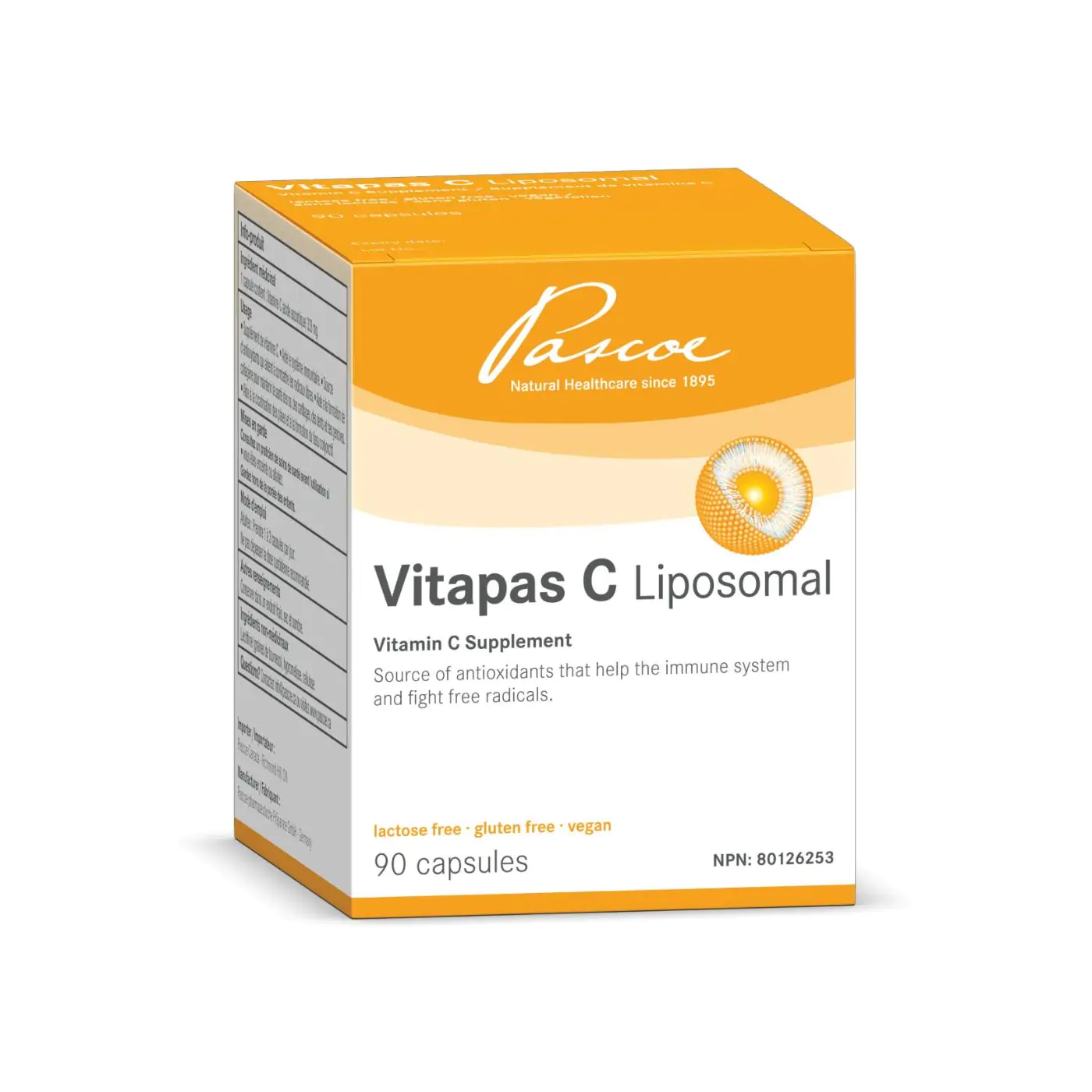
 Vitapas C Liposomal


Source of antioxidants that help the immune system and fight free radicals.
$31.95