5 Natural Ways To Support Your Blood Pressure
It's pretty common to feel overwhelmed with the hustle and bustle of daily life, isn’t it? Sometimes, our bodies respond to this stress in ways we don’t immediately notice, like with high blood pressure.
Fortunately, one can make small changes to everyday choices to maintain a healthy blood pressure. For instance, one could choose water over soda, take stairs instead of an elevator, or take a short walk instead of a car ride.
This blog talks more about blood pressure and natural yet effective ways to manage your blood pressure.

What is High Blood Pressure?
Blood pressure is a measure of how smoothly blood flows through your blood vessels. It is the force your blood exerts on the artery wall as your heart pumps it around your body. This pressure keeps your blood moving and delivers oxygen and nutrients where they need to go.
You’ll see two blood pressure readings, something like 130/80. The top number is the systolic pressure, which measures the force of blood in your arteries when your heart beats. On the other hand, the bottom number is the diastolic pressure, which measures the pressure in your arteries when your heart rests between beats.
High blood pressure is a condition where your reading is 140/90 mmHg or higher when measured at the doctor’s office.
When your blood pressure stays high for a long time, your heart works harder than it should, and your blood pushes too forcefully against your vessel walls. This can make the heart and blood vessels work overtime, increasing the risk of health problems like kidney disease.
High Blood Pressure Symptoms
Hypertension is a silent disease, which means most people with high blood pressure won't feel any symptoms. However, in cases where blood pressure reaches particularly high levels (usually around 180/120 mmHg or higher), symptoms of high blood pressure can become evident and may include:
- Severe headache
- Chest pain
- Blurred vision
- Dizziness
- Nausea
- Difficulty breathing
- Shortness of breath
- Confusion and anxiety
The most reliable way to determine whether you have hypertension is to check your blood pressure. Since high blood pressure can quietly affect your health without obvious symptoms, it is essential to keep track of regular screenings.
5 Tips To Keep Your Blood Pressure Levels Healthy
A physician can determine whether you need medication to control your blood pressure effectively or if lifestyle changes are sufficient. In either case, adopting these natural strategies can significantly support healthy blood pressure levels naturally.
1. Adopt a Heart-Healthy Diet
Embracing a diet rich in whole grains, fruits, vegetables, and low-fat dairy products — and low in saturated fats and cholesterol — can lower your blood pressure by up to 11 mm Hg. Eating plans like the Dietary Approaches to Stop Hypertension (DASH) diet and the Mediterranean diet are renowned for their positive effects on blood pressure.
2. Monitor Sodium Intake
While excessive sodium is well-known to contribute to high blood pressure, it’s not the only dietary factor to consider. Reducing your sodium intake is a vital step. Aim to control the amount of salt you consume, as this can make a substantial difference. Experts recommend reducing salt intake to less than 5-6 g/day.
3. Increase Potassium Intake
Potassium helps balance the amount of sodium in your cells, and not getting enough potassium can lead to high blood pressure. Foods like fruits and vegetables can help get adequate potassium through diet. Depending on your health situation, aiming for 3,500 to 5,000 mg of potassium a day can help reduce blood pressure by 4 to 5 mm Hg. It’s important to consult with your healthcare provider to determine the right amount of potassium for you.
4. Maintain A Sleep Schedule
Poor sleep, especially when you consistently get under six hours, can contribute to high blood pressure. If health conditions like apnea, restless leg syndrome, or insomnia are disrupting your sleep, it's important to discuss these with your healthcare provider. Addressing these problems can significantly improve your sleep quality.
For better sleep hygiene, consider these tips:
- Stick to a regular sleep schedule, even on weekends
- Ensure your bedroom is cool, quiet, and dark
- Relax before bed — try a warm bath or relaxation exercises
- Avoid heavy meals, nicotine, caffeine, and alcohol before bedtime
- Keep naps short and early, preferably under 30 minutes
5. Consider Supplements
Inflammation, stress, and unhealthy habits like smoking or a poor diet can lead to the production of free radicals — unstable molecules that damage cells. These factors disrupt the natural balance, causing oxidative stress. When free radicals accumulate, they can damage the lining of blood vessels, leading to inflammation and making the vessels less flexible. This rigidity forces the heart to pump harder, increasing blood pressure and raising the risk of hypertension.
Nutrients like vitamin C neutralize free radicals by donating an electron to these unstable molecules, rendering them harmless. This protective role of vitamin C is crucial in maintaining the integrity and function of blood vessels, especially in the management of high blood pressure.
You can also take vitamin C-rich supplements, like those derived from Aronia berries, to support healthier blood pressure levels.
References:
Oparil S, Acelajado MC, Bakris GL, Berlowitz DR, Cífková R, Dominiczak AF, Grassi G, Jordan J, Poulter NR, Rodgers A, Whelton PK. Hypertension. Nat Rev Dis Primers. 2018 Mar 22;4:18014. doi: 10.1038/nrdp.2018.14. PMID: 29565029; PMCID: PMC6477925.
Aronow WS. Lifestyle measures for treating hypertension. Arch Med Sci. 2017 Aug;13(5):1241-1243. doi: 10.5114/aoms.2017.68650. Epub 2017 Jun 30. PMID: 28883867; PMCID: PMC5575221.
Stone MS, Martyn L, Weaver CM. Potassium Intake, Bioavailability, Hypertension, and Glucose Control. Nutrients. 2016 Jul 22;8(7):444. doi: 10.3390/nu8070444. PMID: 27455317; PMCID: PMC4963920.
Juraschek SP, Guallar E, Appel LJ, Miller ER 3rd. Effects of vitamin C supplementation on blood pressure: a meta-analysis of randomized controlled trials. Am J Clin Nutr. 2012 May;95(5):1079-88. doi: 10.3945/ajcn.111.027995. Epub 2012 Apr 4. PMID: 22492364; PMCID: PMC3325833.
Ha SK. Dietary salt intake and hypertension. Electrolyte Blood Press. 2014 Jun;12(1):7-18. doi: 10.5049/EBP.2014.12.1.7. Epub 2014 Jun 30. PMID: 25061468; PMCID: PMC4105387.
-
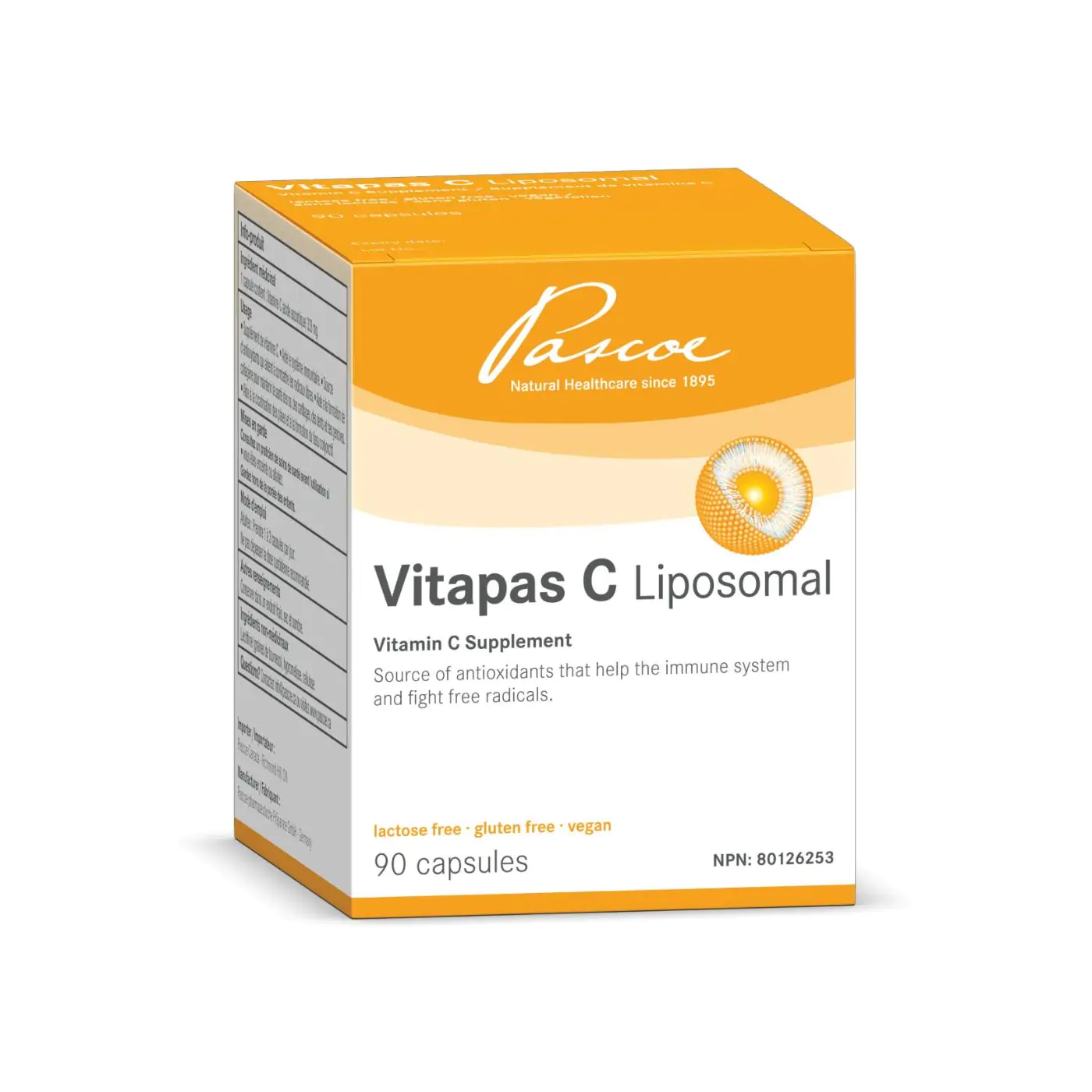
 Vitapas C Liposomal


Source of antioxidants that help the immune system and fight free radicals.
$31.95